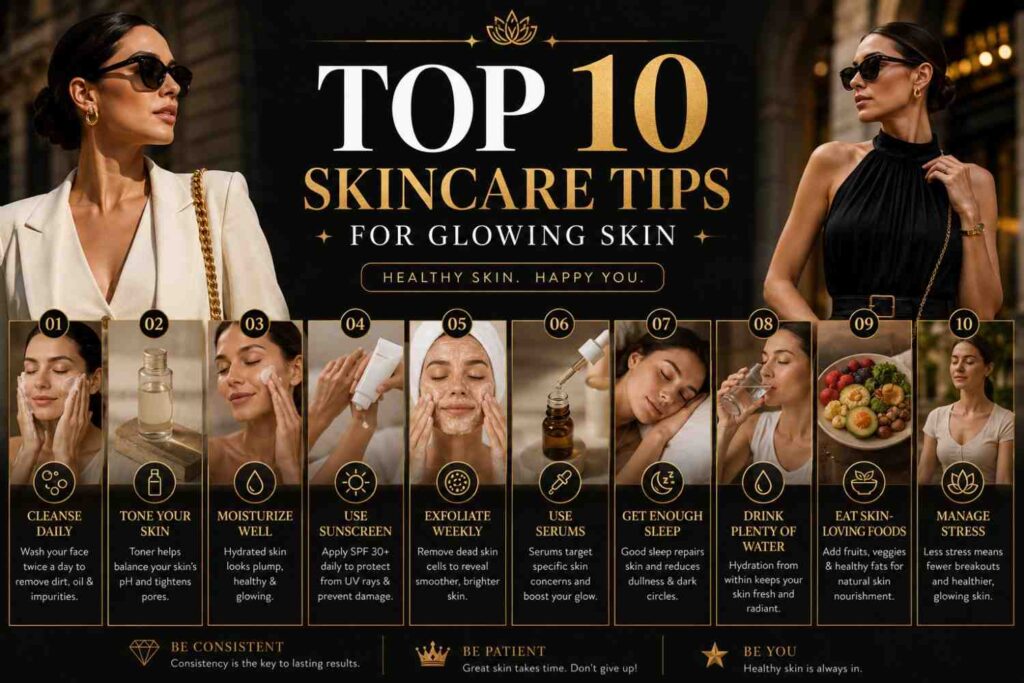
Top 10 Skincare Tips for Glowing Skin
Healthy, glowing skin is something many people want, but achieving it often feels confusing because of the endless number of skincare products, social media trends, and beauty advice available today. The truth is that glowing skin rarely comes from a single miracle product. Instead, it is usually the result of consistent skincare habits, healthy lifestyle choices, and using products that support your skin’s natural functions.
Many people spend a lot of money searching for the perfect cream or serum while overlooking the basics that actually make the biggest difference. In my experience, simple habits such as proper cleansing, daily sunscreen use, staying hydrated, and getting enough sleep often deliver better long-term results than complicated routines filled with dozens of products.
This guide covers the Top 10 Skincare Tips for Glowing Skin that can help you build a sustainable routine. Whether you are just starting your skincare journey or looking to improve your current regimen, these practical tips can help you achieve healthier, brighter, and more radiant skin.
Understanding What Makes Skin Glow
Before exploring specific glowing skin tips, it helps to understand what glowing skin actually means. Many people think glowing skin simply refers to skin that looks shiny, but true skin radiance is very different.
Healthy glowing skin appears smooth, hydrated, even-toned, and naturally vibrant. It reflects light evenly because the skin surface is healthy and well-maintained. When skin becomes dry, irritated, inflamed, or damaged, it often appears dull and tired.
Healthy Skin Reflects Overall Wellness
Your skin is the largest organ in your body and often reflects what is happening internally. Factors such as nutrition, hydration, stress levels, sleep quality, and overall health can directly influence how your skin looks.
For example, someone who gets adequate sleep, eats a balanced diet rich in fruits and vegetables, drinks enough water, and follows a consistent skincare routine is more likely to have a healthy complexion. On the other hand, poor lifestyle habits may contribute to dryness, breakouts, uneven texture, and dullness.
Skin glow is therefore not just about external products. It is closely connected to overall wellness and daily habits.
The Importance of a Strong Skin Barrier
Consistency Matters More Than Perfection
When it comes to achieving natural skin glow, consistency in your healthy skin care routine is far more important than chasing perfection or constantly switching products.
Many people expect instant results after trying a new product for a few days. However, the skin cycle and skin renewal process typically take several weeks. This means visible improvements in texture, tone, and radiance require patience and stability in your routine.
Instead of frequently changing products, focus on building a balanced skincare routine that includes:
- Gentle cleansing
- Regular moisturizing
- Daily sun protection
- Occasional targeted treatments (like Vitamin C or Retinol)
True skin transformation happens when habits are repeated consistently over time. Even dermatologists emphasize that long-term results come from discipline rather than trends.
The key is to avoid overloading your skin with too many active ingredients and instead support its natural repair system steadily.
Cleanse Properly and Stay Hydrated
Cleansing and hydration form the foundation of every effective daily skincare routine. Without these basics, even advanced serums, actives, and targeted treatments like Vitamin C or Retinol may struggle to deliver visible improvements in skin health, texture, and overall glow.
A proper cleansing routine helps remove accumulated oil, sweat, dirt, dead skin cells, and environmental pollutants that build up throughout the day. If left on the skin, these impurities can clog pores, trigger breakouts, and contribute to a dull, uneven complexion. On the other hand, gentle and consistent cleansing supports a clearer surface and allows the skin to function optimally in its natural skin renewal process.
Hydration works hand in hand with cleansing to maintain a healthy skin barrier. When the skin is properly hydrated, it appears plumper, smoother, and more radiant, while also becoming less prone to irritation and sensitivity. Hydration is not just about applying products, it also involves maintaining internal water balance, which supports overall skin nourishment from within.
Use a Gentle Facial Cleanser
Throughout the day, your skin is continuously exposed to environmental stressors such as pollution, dust, sweat, oil, bacteria, and dead skin cells. These impurities naturally build up on the surface and, if not removed properly, can clog pores, trigger breakouts, and lead to a dull, uneven complexion. Over time, this buildup can also weaken the skin’s natural defense system and affect overall skin health.
A gentle facial cleanser plays a key role in maintaining skin clarity while protecting the skin barrier, which is essential for keeping the skin balanced, hydrated, and resilient. Unlike harsh cleansers that strip away natural oils, a mild formula removes dirt and excess sebum without disrupting the skin’s moisture balance. This helps support a smoother texture and a more radiant appearance as part of a consistent daily skincare routine.
Choosing the right cleanser is important because different skin types have different needs. For oily skin, gel-based cleansers are often more suitable as they help control excess sebum and reduce shine without over-drying the skin. In the case of dry skin, cream-based cleansers are generally preferred because they gently cleanse while maintaining essential moisture levels, preventing tightness or flakiness. Sensitive skin types benefit most from fragrance-free and soothing formulations that minimize the risk of irritation, redness, or discomfort. Meanwhile, combination skin typically responds well to balanced foaming cleansers that can effectively remove impurities while maintaining harmony between oily and dry areas.
Understand the Difference Between Hydration and Moisturization
A key concept in effective skincare habits is understanding the difference between hydration and moisturization, as both play distinct but equally important roles in achieving and maintaining glowing skin. Many people assume these terms mean the same thing, but in reality, they address two different needs of the skin. When used correctly together, they significantly improve skin health, texture, and overall radiant complexion.
Hydration refers to increasing the water content within the skin cells. It helps the skin stay internally plump, fresh, and healthy by supplying essential moisture at a deeper level. When skin is properly hydrated, it functions better, feels more comfortable, and supports a smoother skin renewal process.
Moisturization, on the other hand, focuses on sealing that hydration into the skin and preventing water loss. It creates a protective layer on the surface that locks in moisture and helps strengthen the skin barrier, ensuring the skin remains soft, balanced, and protected from external irritants.
Both hydration and moisturization are essential for maintaining a healthy, glowing complexion. When hydration is adequate but not sealed properly, moisture can evaporate quickly, leading to dryness. Similarly, moisturizing without proper hydration may not fully restore the skin’s natural glow.
Well-hydrated skin typically appears plumper, smoother, more radiant, and less prone to irritation or sensitivity. It also reflects light better, which contributes to a naturally healthy glow.
Stay Hydrated Inside and Out
One of the most effective glowing skin tips is maintaining proper hydration from both internal and external sources. Hydration plays a fundamental role in supporting overall bodily functions, and it directly reflects on the skin by improving its texture, elasticity, and natural radiance. When the body is well-hydrated, it becomes easier to maintain healthier-looking skin and support long-term skin health.
However, while proper hydration is essential, it is important to understand that water alone cannot solve all skin concerns. When the body is dehydrated, the skin often becomes one of the first areas to show visible signs such as dullness, dryness, and increased appearance of fine lines. Reduced hydration levels can also weaken elasticity and make the skin appear tired or uneven.
To effectively improve skin hydration and overall skin nourishment, it is important to follow a combination of internal and external care practices. Drinking water consistently throughout the day helps maintain optimal hydration levels in the body, which supports a healthier and more balanced complexion. Including water-rich foods such as cucumbers, oranges, and watermelon further enhances hydration and contributes to a natural skin glow from within.
PProtect Your Skin from the Sun and Exfoliate Wisely
Many people focus heavily on skincare products and advanced treatments while overlooking two of the most influential factors in long-term skin health: sun exposure and exfoliation habits. Both play a critical role in maintaining a clear, youthful, and radiant complexion, and when managed correctly, they can significantly improve overall results from any daily skincare routine.
Sun exposure is one of the primary causes of premature aging, uneven skin tone, and dullness. Prolonged exposure to ultraviolet (UV) rays can damage the skin barrier, break down collagen, and accelerate visible signs of aging such as fine lines and pigmentation. This is why consistent sun protection is essential, even on cloudy days or when staying indoors near windows.
Using a broad-spectrum sunscreen daily helps protect the skin from both UVA and UVB rays, reducing long-term damage and supporting healthy skin renewal. Dermatological experts, including guidance from the American Academy of Dermatology, strongly recommend daily sunscreen use as a non-negotiable step for maintaining healthy skin and preventing UV-related damage.
Apply Sunscreen Every Day
If there is only one skincare product that consistently delivers long-term benefits for skin health, it is sunscreen. No matter how advanced a healthy skin care routine may be, without proper sun protection, the skin remains vulnerable to cumulative damage caused by ultraviolet (UV) radiation.
UV exposure is one of the primary factors responsible for premature skin aging and overall deterioration of skin quality. Over time, it contributes to the breakdown of collagen and elastin, which are essential for maintaining firmness and elasticity in the skin. As a result, prolonged exposure without protection can accelerate visible aging and reduce the skin’s natural radiance.
Ultraviolet radiation is strongly associated with several common skin concerns, including premature aging, the development of fine lines and wrinkles, uneven skin tone, hyperpigmentation, and general skin damage. These effects often build gradually, making them easy to overlook until they become more noticeable over time.
Consistent daily use of sunscreen helps protect the skin from both UVA and UVB rays, significantly reducing the risk of long-term damage. It also supports the skin’s natural skin renewal process and helps maintain a more even and radiant complexion.
Sun Protection Guide
| Sun Protection Method | Benefit |
|---|---|
| SPF 30+ Sunscreen | Protects against daily UV exposure |
| Reapplication Every 2 Hours | Maintains protection outdoors |
| Sunglasses | Protects delicate eye area |
| Wide-Brim Hat | Reduces direct sun exposure |
| Seeking Shade | Minimizes UV damage during peak hours |
Exfoliate to Reveal Brighter Skin
As part of the skin’s natural cycle, it continuously goes through a process of skin renewal, where old cells are replaced by new ones. However, not all dead skin cells shed immediately. Over time, they can accumulate on the surface, making the complexion appear dull, rough, and uneven. This buildup can also block the absorption of skincare products, reducing the effectiveness of your daily skincare routine.
Exfoliation helps gently remove these dead skin cells from the outer layer of the skin, allowing fresher, healthier-looking skin to emerge. When done correctly, it supports a smoother texture and enhances the skin’s natural glow without disrupting the skin barrier.
Balanced exfoliation plays an important role in maintaining long-term skin health and a radiant complexion. It encourages a more refined surface and helps other skincare products—such as moisturizers and serums—penetrate more effectively into the skin.
When incorporated properly into a healthy skin care routine, exfoliation can offer several visible benefits. It improves overall skin texture, making it feel softer and more polished. It also enhances brightness by removing the dull layer of dead skin cells, resulting in a naturally fresher appearance. Additionally, it supports better product absorption, allowing active ingredients like Vitamin C or hydrating agents to work more efficiently. Over time, consistent exfoliation can lead to a smoother complexion and a more even skin tone.
Avoid Common Exfoliation Mistakes
When it comes to achieving healthy skin glow, many people assume that increasing exfoliation will speed up results. However, more exfoliation does not always mean better skin. In fact, over-exfoliating is one of the most common mistakes in a daily skincare routine and can negatively impact overall skin health.
Excessive exfoliation can disrupt the skin barrier, which is essential for maintaining hydration, protection, and balance. Once the barrier is compromised, the skin becomes more vulnerable to environmental stressors and loses its natural ability to retain moisture effectively.
Over-exfoliating may lead to several visible and uncomfortable effects, including redness, increased sensitivity, dryness, irritation, and long-term damage to the skin barrier. In some cases, it can also slow down the skin’s natural skin renewal process, making the complexion appear more uneven rather than improved.
A healthier and more effective approach is to exfoliate gradually and observe how your skin responds over time. Each skin type has a different tolerance level, so it is important to adjust frequency based on individual needs rather than following a one-size-fits-all routine. If the skin begins to feel tight, inflamed, or overly sensitive, it is a clear sign that exfoliation should be reduced.
Nourish Your Skin Through Diet and Quality Sleep
While skincare products can improve the appearance of your skin, true skin health starts from within. What you eat, drink, and how well you sleep can directly affect your complexion. Many people spend hundreds of dollars on skincare products while overlooking lifestyle factors that may have an even greater impact on skin quality.
Healthy skin requires a constant supply of nutrients to support cell renewal, collagen production, hydration, and repair processes. Similarly, quality sleep gives your skin time to recover from daily environmental stressors.
Eat Nutrient-Rich Foods That Support Skin Health
Your skin is a reflection of your internal health, which means a well-balanced diet plays a major role in maintaining skin health, elasticity, and a natural radiant complexion. The skin requires a steady supply of vitamins, minerals, antioxidants, healthy fats, and protein to function properly and support continuous skin renewal.
When your body receives proper nutrition, it is better able to repair damaged cells, maintain hydration balance, and strengthen the skin barrier. This internal nourishment works alongside your daily skincare routine, enhancing results from both inside and outside care.
Different nutrients contribute to skin in unique ways. Vitamin C plays a key role in supporting collagen production, which helps maintain firmness and reduce early signs of aging. Vitamin E acts as a powerful antioxidant, protecting the skin from environmental stressors and oxidative damage that can lead to dullness and premature aging. Omega-3 fatty acids help maintain the integrity of the skin barrier, improving moisture retention and reducing inflammation-related skin concerns.
In addition, zinc is essential for skin repair and healing, especially when dealing with breakouts or minor damage. Protein also plays a critical role, as it provides the building blocks needed to repair and regenerate skin tissues, supporting long-term structure and resilience.
Best Foods for Glowing Skin
| Food | Key Nutrient | Potential Skin Benefit |
|---|---|---|
| Oranges | Vitamin C | Supports collagen production |
| Salmon | Omega-3 Fatty Acids | Helps maintain skin barrier |
| Almonds | Vitamin E | Antioxidant protection |
| Spinach | Antioxidants | Supports skin health |
| Avocados | Healthy Fats | Helps maintain hydration |
| Sweet Potatoes | Beta-Carotene | Supports healthy skin appearance |
| Berries | Antioxidants | Helps combat oxidative stress |
Understand How Sleep Affects Skin Repair
Many people underestimate the importance of sleep when it comes to achieving a natural glowing skin appearance, yet it is one of the most critical factors in maintaining long-term skin health and a balanced radiant complexion.
During sleep, the body enters a deep repair mode where essential biological processes become more active. This is the time when skin renewal is at its peak, as skin cells regenerate and damaged tissues begin to recover. Blood circulation to the skin also improves during restful sleep, allowing oxygen and nutrients to reach skin cells more effectively. These processes collectively support overall skin nourishment and help restore the skin’s natural glow.
However, poor sleep habits can significantly interfere with these restorative functions. When the body does not get adequate rest, the skin’s ability to repair itself becomes slower and less efficient, which can directly affect its appearance over time.
Inadequate sleep is often linked with several visible skin concerns, including a dull and tired-looking complexion, uneven skin tone, and a reduction in overall brightness. It can also contribute to an increased appearance of fine lines, particularly around areas where the skin is thinner and more delicate.
Limit Excess Sugar and Highly Processed Foods
Limiting excess sugar and highly processed foods is an important part of supporting long-term skin health and maintaining a natural radiant complexion. While an occasional treat is not harmful, consistently high intake of refined sugar and processed ingredients can negatively impact the skin over time.
Highly processed foods often contain excess sugar, refined carbohydrates, and unhealthy fats while offering lower nutrient density. This combination can disrupt overall skin nourishment, contribute to inflammation in the body, and indirectly affect the skin’s clarity, texture, and glow. Over time, such dietary patterns may slow down the natural skin renewal process and make it harder to maintain a balanced complexion.
Rather than following strict or unrealistic restrictions, a more sustainable approach is to maintain balance. Focusing on whole, nutrient-rich foods while reducing frequent intake of highly processed options helps support both internal health and visible skin improvements. This balanced lifestyle approach works more effectively alongside a consistent daily skincare routine.
Use Targeted Skincare Ingredients
Choosing the right skincare ingredients can make a significant difference in achieving visible results. Instead of constantly following trends, it is more effective to focus on ingredients that directly address your skin concerns and support long-term skin health. Targeted skincare helps strengthen the skin barrier, improve texture, and enhance overall glow when used consistently.
One of the most effective ingredients for improving brightness and skin clarity is Vitamin C.
Use Vitamin C to Brighten and Protect the Skin
Vitamin C is a powerful antioxidant that plays an important role in supporting a healthy and glowing complexion. It helps improve skin radiance while protecting the skin from environmental stressors that can lead to dullness and uneven tone.
Vitamin C offers multiple benefits for the skin, including supporting collagen production, which helps maintain firmness and elasticity. It also improves overall skin radiance by reducing dullness and promoting a brighter, more even-looking complexion. In addition, its antioxidant properties help protect the skin from free radical damage caused by pollution and UV exposure, which are key contributors to premature aging.
When used consistently as part of a healthy skin care routine, Vitamin C becomes an essential ingredient for achieving long-term glow, smoother texture, and improved overall skin vitality.
Boost Hydration with Hyaluronic Acid
Hyaluronic Acid is one of the most effective ingredients for improving skin hydration and supporting a healthy radiant complexion. It is a naturally occurring substance in the skin that has the ability to attract and hold large amounts of moisture, making it essential for maintaining soft, supple, and well-hydrated skin.
When incorporated into a daily skincare routine, Hyaluronic Acid helps draw moisture into the skin and bind it within the deeper layers. This improved water retention strengthens overall skin nourishment and supports the skin’s natural skin barrier, helping it stay balanced and protected from dryness and environmental stress.
With consistent use, hydrated skin becomes visibly healthier in appearance. It often looks smoother, feels softer, and develops a naturally plumper look due to improved moisture levels. This plumpness also helps reduce the appearance of fine lines and gives the skin a more youthful texture.
Popular Skincare Ingredients and Their Benefits
| Ingredient | Main Benefit | Best For |
|---|---|---|
| Vitamin C | Brightening | Dull Skin |
| Hyaluronic Acid | Hydration | Dry Skin |
| Niacinamide | Oil Balance | Oily Skin |
| Retinol | Skin Renewal | Fine Lines |
| Ceramides | Barrier Support | Sensitive Skin |
| Peptides | Firmness Support | Mature Skin |
Manage Stress and Avoid Harmful Habits
Lifestyle factors such as stress levels, smoking, alcohol consumption, sleep quality, and physical activity have a direct impact on overall skin health and the ability to maintain a natural radiant complexion. While skincare products support the skin externally, lifestyle choices influence how well the skin functions internally, including its ability to repair, renew, and maintain balance.
Manage Stress to Support Healthier Skin
Stress is one of the most underestimated factors affecting skin appearance. When stress levels are consistently high, the body may experience hormonal imbalances that can contribute to breakouts, increased oil production, dullness, and a reduced ability for proper skin renewal. Over time, this can also weaken the skin barrier, making the skin more sensitive and less resilient.
Managing stress effectively helps improve overall wellness and supports clearer, healthier-looking skin. Simple daily habits can make a significant difference. For example, taking daily walks helps regulate mood and improves blood circulation, which supports a healthier glow. Practices such as meditation and deep breathing exercises help calm the nervous system and reduce stress-related skin flare-ups.
Physical activity is also highly beneficial, as it improves oxygen flow to the skin and supports natural detoxification processes. Journaling can help release mental tension and reduce emotional stress that may indirectly affect the skin. Spending time outdoors in natural light and fresh air further supports both mental well-being and skin vitality. In addition, maintaining strong social connections can improve emotional balance, which often reflects positively on skin clarity and overall appearance.
When combined, these habits create a balanced lifestyle that supports both internal health and external beauty. Reducing stress and avoiding harmful habits allows the skin to function more efficiently, leading to improved texture, reduced breakouts, and a healthier, more natural glow over time.
Avoid Smoking and Limit Alcohol
Smoking and excessive alcohol consumption can significantly impact overall skin health and accelerate visible signs of aging. These habits reduce blood circulation to the skin, depriving it of oxygen and essential nutrients needed for proper skin renewal and repair. Over time, this can lead to a dull, tired complexion and a loss of natural radiance.
Smoking is particularly harmful because it damages collagen and elastin fibers, which are responsible for maintaining skin firmness and elasticity. As these structures break down, the skin may develop premature fine lines, wrinkles, and an uneven texture. It also contributes to a weakened skin barrier, making the skin more vulnerable to environmental stressors and slower to recover from damage.
Alcohol, on the other hand, acts as a diuretic, which increases dehydration in the body and skin. Dehydrated skin often appears dry, less plump, and more prone to irritation. Regular alcohol consumption can also disrupt sleep quality and overall recovery, further affecting the skin’s ability to maintain a healthy, radiant complexion.
Reducing or avoiding these habits supports better skin hydration, improved texture, and a more youthful appearance over time, especially when combined with a consistent healthy skin care routine.
Exercise Regularly for Better Circulation
Regular physical activity is one of the most effective lifestyle habits for improving overall skin health and supporting a natural glow. Exercise increases blood circulation, which helps deliver oxygen and nutrients more efficiently to skin cells. This improved circulation supports skin renewal, detoxification, and a healthier-looking complexion.
In addition to its direct effects on the skin, exercise also plays an important role in improving sleep quality, managing stress levels, and balancing hormones—all of which indirectly contribute to clearer and more radiant skin. Consistent movement helps the body regulate inflammation and supports overall skin nourishment from within.
Different types of physical activities can benefit the skin in various ways. Walking is a simple yet effective way to improve circulation and reduce stress. Cycling helps boost cardiovascular health, which enhances oxygen flow to the skin. Swimming provides full-body exercise while also being gentle on joints and muscles, promoting relaxation and overall wellness. Strength training supports muscle tone and metabolic health, which can indirectly contribute to improved skin firmness and vitality.
Key Takeaways from the Top 10 Skincare Tips for Glowing Skin
| Skincare Tip | Why It Matters |
|---|---|
| Gentle Cleansing | Removes impurities without damaging skin barrier |
| Proper Hydration | Supports healthy-looking skin |
| Moisturizing | Locks in moisture |
| Daily Sunscreen | Protects against UV damage |
| Balanced Exfoliation | Removes dead skin cells |
| Healthy Diet | Provides essential nutrients |
| Quality Sleep | Supports skin repair |
| Vitamin C | Enhances radiance |
| Stress Management | Supports skin health |
| Regular Exercise | Improves circulation |
Building a Simple Daily Skincare Routine
After learning the Top 10 Skincare Tips for Glowing Skin, the next step is putting them into a practical routine. One of the biggest mistakes people make is creating an overly complicated skincare regimen that becomes difficult to maintain.
A simple, consistent routine is usually more effective than a complex routine followed only occasionally. The goal is to support your skin barrier, maintain hydration, protect against environmental damage, and address specific concerns without overwhelming your skin.
The ideal skincare routine should be adjusted based on your skin type, age, environment, and personal concerns. However, most people can benefit from a foundation built around cleansing, moisturizing, sun protection, and targeted treatments.
Morning Skincare Routine
Your morning skincare routine is designed to prepare and protect your skin for the day ahead by strengthening the skin barrier, maintaining hydration, and defending against environmental stressors such as UV rays, pollution, and dust. A consistent daily skincare routine in the morning plays a key role in maintaining long-term skin health and achieving a natural radiant complexion.
The first step typically involves a gentle cleanser, which helps remove overnight oil buildup, sweat, and impurities without stripping the skin of its natural moisture. This ensures the skin starts the day clean and balanced, creating a fresh base for the next steps.
A hydrating serum can be added optionally depending on skin needs. It helps boost moisture levels and supports overall skin nourishment, making the skin feel softer and more refreshed throughout the day.
One of the most effective morning ingredients is Vitamin C serum. It helps brighten the skin, improve overall radiance, and provide antioxidant protection against environmental damage. Regular use of Vitamin C also supports collagen production, which contributes to smoother texture and a healthier appearance over time.
Evening Skincare Routine
Your evening skincare routine is primarily focused on cleansing the skin and supporting its natural skin renewal and recovery process that takes place overnight. During sleep, the skin works to repair damage, restore balance, and rebuild its protective skin barrier, making nighttime care an essential part of any healthy skin care routine.
The first step in the evening routine is cleansing. This helps remove sunscreen, makeup, excess oil, dirt, and environmental pollutants that accumulate throughout the day. Proper cleansing ensures that the skin is free from impurities that could otherwise clog pores or interfere with overnight repair processes. A gentle cleanser is especially important to maintain skin health without stripping natural moisture.
After cleansing, a treatment product can be used if needed based on individual skin concerns. This may include active ingredients such as Vitamin C, Retinol, or other targeted treatments designed to improve texture, support collagen production, or address specific issues like dullness or uneven tone. These products work more effectively at night when the skin is in its natural repair mode.
At night, your skin naturally enters a repair and renewal phase. This makes evening an ideal time to use products designed to address specific concerns such as uneven texture, fine lines, or dryness.
Complete Daily Skincare Routine at a Glance
The following routine summarizes the essential steps for maintaining healthy and glowing skin.
| Time of Day | Step | Purpose |
|---|---|---|
| Morning | Gentle Cleanser | Removes overnight oil and impurities |
| Morning | Vitamin C Serum | Supports brightness and antioxidant protection |
| Morning | Moisturizer | Maintains hydration |
| Morning | Sunscreen SPF 30+ | Protects against UV damage |
| Evening | Gentle Cleanser | Removes dirt, oil, and sunscreen |
| Evening | Treatment Product | Addresses specific skin concerns |
| Evening | Moisturizer | Supports skin barrier and recovery |
Following a routine consistently for several weeks often produces better results than constantly changing products in search of quick improvements.
Frequently Asked Questions
requently Asked Questions (FAQs) help clarify common doubts about achieving glowing and healthy skin through a consistent healthy skin care routine. This section addresses practical concerns related to daily skincare habits, ingredients, and results so you can better understand how to improve overall skin health and maintain a natural radiant complexion.
Understanding skincare doesn’t have to be complicated. Most results come from simple, consistent steps like cleansing, moisturizing, and protecting the skin from sun damage. Many people also overlook the importance of the skin barrier, which plays a major role in keeping the skin hydrated, smooth, and resilient.
By following evidence-based practices supported by dermatological guidance, including insights from the American Academy of Dermatology, you can build a routine that improves skin renewal, hydration, and long-term glow without overcomplicating your approach.
This FAQ section is designed to guide you toward balanced skincare habits that promote lasting results rather than temporary fixes.
Quick Answer About Top 10 Skincare Tips for Glowing Skin
| Keyword | Keyword Type | Search Intent | Suggested Placement | Usage Recommendation |
|---|---|---|---|---|
| Top 10 Skincare Tips for Glowing Skin | Primary | Informational | H1, Intro, FAQ, Conclusion | 6–8 uses |
| Glowing skin tips | Secondary | Informational | Body Content | 2–3 uses |
| Healthy skin care routine | Secondary | Informational | H2 Sections | 2 uses |
| Daily skincare routine | Secondary | Informational | Routine Section | 2 uses |
| Skin hydration | Cluster | Informational | Hydration Section | Natural |
| Radiant complexion | NLP | Informational | Throughout | Natural |
| Sunscreen | Cluster | Informational | SPF Section | Natural |
If you want naturally glowing skin, focus on consistency rather than quick fixes. The most effective skincare habits include gentle cleansing, proper hydration, daily moisturizing, sunscreen use, regular exfoliation, healthy eating, quality sleep, stress management, and using skincare ingredients that suit your skin type. A healthy skin care routine supports the skin barrier, improves hydration levels, and helps maintain a radiant complexion over time. While no product can create instant perfection, following these Top 10 Skincare Tips for Glowing Skin consistently can significantly improve your skin’s appearance and overall health.
How can I make my skin glow naturally?
The most effective way to achieve naturally glowing skin is by combining healthy skincare habits with a balanced lifestyle. Focus on gentle cleansing, proper hydration, daily sunscreen use, moisturizing, regular sleep, nutritious foods, and stress management. While skincare products can help, long-term skin radiance usually comes from consistency rather than quick fixes. Maintaining a healthy skin barrier and protecting your skin from environmental damage are especially important for achieving a natural glow.
What is the best daily skincare routine for glowing skin?
A simple routine consisting of cleansing, moisturizing, and sunscreen during the day, followed by cleansing and moisturizing at night, is often sufficient for many people. Additional products such as Vitamin C, Hyaluronic Acid, or other targeted treatments can be incorporated depending on individual needs. The most important factor is consistency rather than the number of products used.
Does drinking water improve skin glow?
Water plays an important role in overall health and helps maintain proper hydration throughout the body. While drinking water alone will not instantly transform your skin, dehydration can contribute to dryness and a tired appearance. Combining adequate water intake with moisturizing skincare products and healthy lifestyle habits can support healthier-looking skin over time.
How often should I exfoliate my skin?
Most people benefit from exfoliating once or twice per week. The ideal frequency depends on your skin type, sensitivity level, and the type of exfoliant being used. Over-exfoliation can damage the skin barrier and cause irritation, so it is generally better to exfoliate moderately rather than excessively. Always observe how your skin responds and adjust accordingly.
Is sunscreen necessary every day?
Yes. Daily sunscreen use is one of the most important steps in any healthy skin care routine. UV exposure occurs even on cloudy days and can contribute to premature aging, uneven skin tone, and long-term skin damage. Applying a broad-spectrum sunscreen with SPF 30 or higher each morning can help protect your skin and support a more youthful appearance.
Which skincare ingredients help improve skin radiance?
Several ingredients are commonly used to support brighter, healthier-looking skin. Vitamin C is known for its brightening properties, while Hyaluronic Acid helps improve hydration. Niacinamide may help balance oil production and improve skin texture, while Ceramides support the skin barrier. The best ingredient for you depends on your individual skin concerns and goals.
Can lifestyle habits affect skin health?
Absolutely. Lifestyle factors often influence skin health as much as skincare products do. Nutrition, sleep quality, stress levels, exercise habits, smoking, and alcohol consumption can all affect how your skin looks and feels. Supporting overall wellness frequently leads to visible improvements in skin appearance.
How long does it take to see results from a skincare routine?
Results vary depending on the products used and the concerns being addressed. In general, most skincare routines require several weeks of consistent use before significant improvements become noticeable. Patience and consistency are essential because skin renewal naturally takes time.
Conclusion
Achieving radiant, healthy skin does not require complicated routines or expensive products. The most effective approach is focusing on consistent habits that support long-term skin health. By following these Top 10 Skincare Tips for Glowing Skin, you can create a routine that promotes hydration, protects against environmental damage, supports skin renewal, and helps maintain a naturally healthy complexion.
Remember that glowing skin is not about perfection. It is about maintaining healthy skin through smart daily choices. Gentle cleansing, hydration, sunscreen, balanced nutrition, quality sleep, stress management, and targeted skincare ingredients can work together to deliver noticeable improvements over time.
The key is consistency. Small daily actions often produce the most meaningful long-term results.